
Key Takeaways
- A brand activation strategy is the plan behind a live brand event, from the goal you set before it to the numbers you report after it.
- Start with one objective and two or three KPIs. The venue, budget, and staffing all depend on them.
- Public events need permits early. For example, the City of Orlando wants special event applications for public property at least 60 days out, and the City of Miami wants at least 30 days for events up to 1,000 people.
- Plan content capture before the event, so one day of activation turns into weeks of social posts and ads.
- Plan trade show activations the same way you’d plan a festival build, with two differences: you’re there for conversations with qualified buyers, not product trial, and the show organizer’s deadlines set your schedule.
- Track samples, sign-ups, and leads on event day, then watch sales and site traffic in the weeks after. Send the brand a wrap report within one to two weeks that compares those numbers to the KPIs you set at the start.
Most brand activations go wrong weeks before the event, when nobody writes down what the activation is supposed to do. A brand activation strategy fixes that. It’s the plan that connects a live experience, like a sampling tent, a festival build, or a trade show lounge, to a result you can count.
At Rooted Creative, we design, run, and capture activations for sports and CPG brands, from a 30×30 Celsius footprint at the MLS All-Star Soccer Celebration to a Koddi lounge at Shoptalk. As an experiential marketing agency in Orlando, we see the same thing at every big event. The brands that get the most from a sponsorship spot set the goal and the measurement plan before anyone designed the booth.
This guide covers the eight-step process, a planning timeline, a trade show section, and a checklist you can copy. New to the term? Start with our post on what a brand activation is.
What a Brand Activation Strategy Covers
A brand activation strategy covers five things: the objective, the audience, the concept, the logistics, and the measurement. If one is missing, the event can still go ahead, but you won’t be able to show what it achieved.
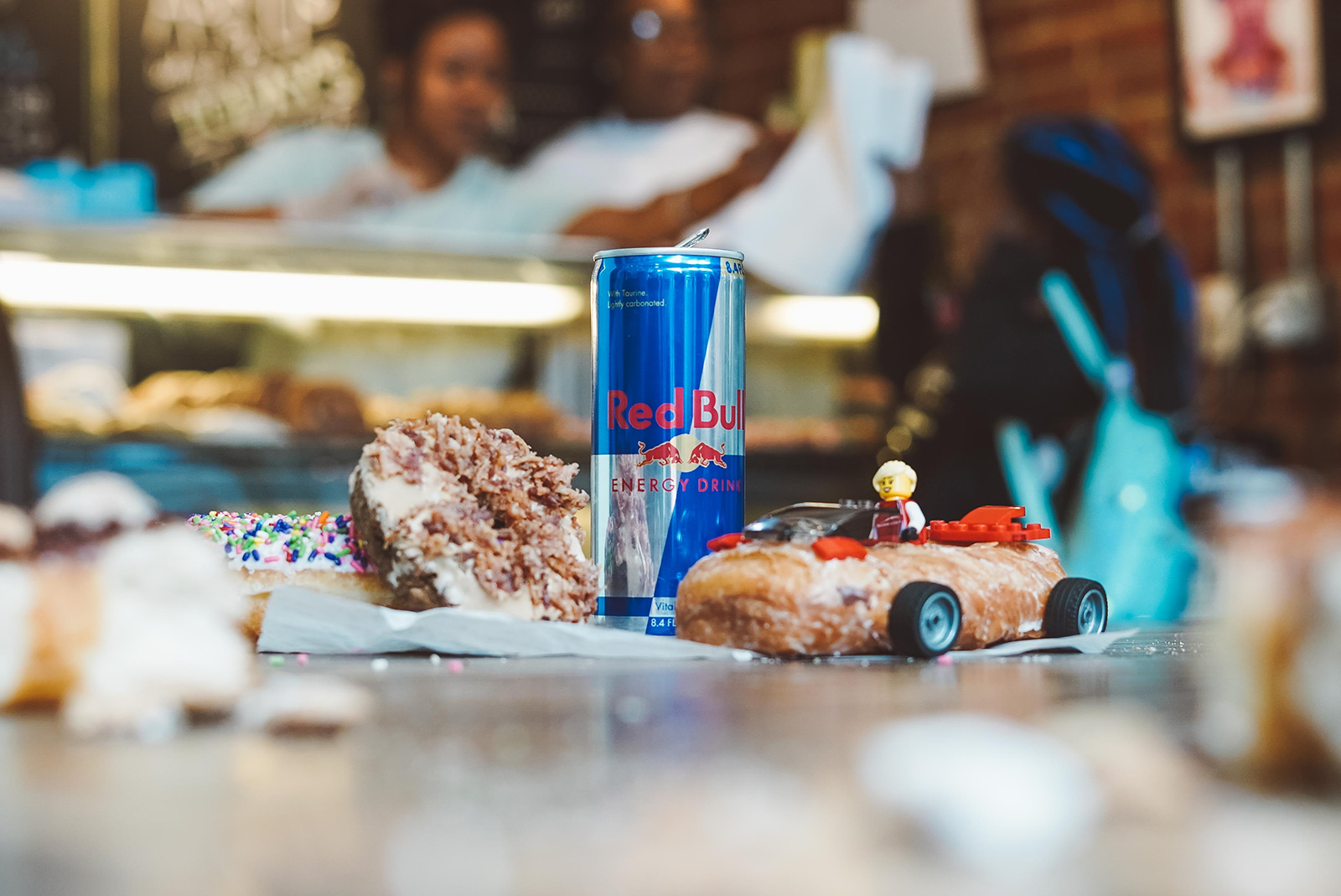
Brand activation refers to any live event or experience that gets people to try, use, or buy a brand. Common types of brand activation include sampling tents, pop-up shops, sponsorship fan zones, product launch events, and trade show booths. Unlike traditional advertising, which shows people a product, an activation lets them try it in person.
Experiential marketing is the overall practice of marketing through live experiences. Brand activation campaigns are the individual events inside it, each with its own goal, date, and location. A brand activation strategy is the plan for one of those events, built around a goal your marketing strategy already has, like trial in a new market.
Sports and CPG brands often get this wrong. They pay for a sponsorship or a 10×10 festival spot, then plan around the space instead of starting with the goal. Our Miami experiential marketing team sees it every big event weekend. Two brands get the same size booth, but only the one that started with a goal has results to report afterward.
How to Plan a Brand Activation in 8 Steps
Here’s how to plan a brand activation from the first meeting to the wrap report. Each step answers a question the next one depends on, so work through them in order.
Step 1: Set the Objective and the KPIs That Prove It Worked
Every successful brand activation starts with one primary objective. Product trial, awareness in a new market, a product launch, leads for a sales team, or content for next quarter’s ads are all fair game. Trying to do all five usually means doing none of them well.
Pick two or three metrics you can track on the day, like samples handed out, emails captured, demos booked, or pieces of content delivered. Setting them up front does two things:
- They shape the plan: A sampling goal needs enough product and staff, and a lead goal needs a way to capture contact details.
- They prove the results: You get a clear way to show whether the activation worked when you report back after the event.
At our Celsius MLS All-Star activation, we handed out more than 1,000 cans over two days.
Step 2: Define the Audience and Where They Already Are
Your target audience decides the venue, the hours, and the tone. A brand chasing college athletes plans around NIL events and campus games, like our Celsius NIL Summit activation. A brand chasing grocery shoppers might plan around a wellness festival.
Go where your potential customers already gather instead of trying to pull them somewhere new. It’s cheaper, the crowd is already in the right mood, and it’s far easier to create meaningful connections with people who chose to be there.
Look at audience behavior at past editions of the event, too, such as when foot traffic peaks, where lines form, and how long people stay at a booth. Those patterns shape your hours, your staffing, and where you want your footprint on the map.
Step 3: Build the Concept Around the Brand Story
The concept is the activity guests take part in when they reach your space. Write it as one sentence: “Fans take a shot on goal, try a can, and grab a photo.” If it doesn’t fit in one line, it’s too complicated for a busy event floor.
Interactive elements like a skills challenge, a photo op, or a live workout give people a reason to stop. Interactive experiences also give them something to talk about later, which a static banner can’t.
Tie it to the brand story, brand values, and brand identity. An effective brand activation feels native to the event, the way a recovery drink belongs at a workout. That’s why our BodyArmor x Race Street session at the 2023 Kroger Wellness Festival was a free workout, led by former Bengal Chad Johnson and Rooted founder Michael Millay. More than 100 people took part.

Step 4: Lock the Venue, Dates, and Permits
Venue and dates come next, and permits come right behind them. City deadlines are earlier than most brands expect. The City of Orlando wants special event permit applications for public property at least 60 days out. The City of Miami asks for at least 30 days on events up to 1,000 people.
Private venues and festival organizers set their own rules for power, load-in times, insurance, and sampling food or drinks. Get those rules in writing before you design the build. If the venue can’t supply power or doesn’t allow generators, anything that runs on electricity, like LED screens, coolers, or charging stations, has to be rethought.
Step 5: Set the Budget
Budget follows the plan, not the other way around. The big line items are the space or sponsorship fee, design and fabrication, staffing, product for sampling, permits and insurance, travel, and content capture.
Costs depend on footprint, city, and how much gets built. A one-day sampling tent and a multi-day custom build at a pro sports event sit in very different ranges, so price each line before you commit to a concept.
Step 6: Staff, Build, and Schedule the Activation
Plan your staffing around the busiest hour of the day. If the line backs up at peak time, people walk past. Brand ambassadors need a short script, real product knowledge, and an easy way to capture emails or leads, like a QR code or a tablet sign-up.
Fabrication covers anything you build for the space. That means structures, counters, branded walls, shade, and signage. The Celsius footprint in Columbus included fully branded structures, a sampling station, two photo ops, and a custom shade sail for guests in an open-air park.
Leave time in the schedule for load-in and teardown. For weather, plan tent sidewalls, sandbags for wind, and a covered spot to move sampling if it rains.
Step 7: Plan Content Capture
Decide what content you need before the event starts. A shot list, a photo and video crew, and a plan for social clips let one day of activation feed weeks of social media campaigns, paid ads, and influencer partnerships. At the MLS All-Star celebration, our team captured branded content for Celsius and shot aerial drone video footage of the activation.
Shoot vertical and horizontal versions of each clip, so the same footage fits all your social media platforms. Vertical clips go to Instagram Reels and TikTok, and horizontal clips go to YouTube, your website, and email. That’s how one event keeps the brand’s presence going across various digital channels long after teardown.
Our guide to video marketing for social media covers the formats in more detail.
This is also the time to plan how you’ll collect first-party data. Email sign-ups, survey answers, and QR scans belong to you, and you can keep using them after the event.
Step 8: Measure Results and Report Back
Start with the metrics you picked in Step 1, then compare samples, sign-ups, and content views against your targets. Look at brand engagement on the day, which covers dwell time, photo-op use, and social mentions. After the event, run a short post-event survey, and watch sales or site traffic in the weeks that follow.
Live events can move buying decisions. In Event Marketer’s EventTrack 2026 study, 61% of consumers said they were more inclined to purchase after an event. Your wrap report should show if your event did that and what you’d change in the brand activation process next time.
A 12-Week Countdown to Event Day
Here’s a sample timeline for a mid-size activation on public property. Drop it into your own brand activation plan and shift the dates to fit your permits.
| Weeks out | Milestone | Owner |
|---|---|---|
| 12 to 11 | Objective, KPIs, audience, and budget range agreed | Brand and agency |
| 11 to 10 | Concept, venue, and dates locked | Agency |
| 10 to 9 | Permit applications in (Orlando needs 60+ days on public property) | Agency |
| 9 to 4 | Design, fabrication, staffing, and product orders | Agency and brand |
| 7 to 6 | Tent permit filed (Orlando needs 30 business days before setup) | Agency |
| 4 to 2 | Shot list, ambassador training, and run of show | Agency |
| 1 | Final walkthrough, load-in plan, and weather backup | Agency |
| Event | Run the activation, capture content, and collect data | Agency |
| +1 to +2 | Wrap report and content delivery | Agency |
Want a second set of eyes on your plan? Get a quote and tell us about the event.
Trade Show Brand Activation Strategy
Trade shows follow the same eight-step plan as a festival build, but the show organizer sets most of the deadlines. Booth space, exhibitor manuals, power and rigging orders, and freight all have cutoff dates. Missing one can mean rush fees or losing the option entirely.
The goal is different, too. At a consumer festival, you want people to try the product. At a B2B show, you want conversations with qualified buyers.
For Koddi, a commerce media technology company, we built a lounge at Shoptalk 2024, a three-day retail show with more than 900 exhibitors and 27,000 attendees. Koddi’s Shoptalk lounge gave visitors a break from the show floor, with modular seating, charging ports, and LED shelf-edge displays showing Koddi’s retail media tools. We also captured interviews with C-suite executives on site.

A strong trade show booth draws a crowd, but the leads come from what happens next. Book meetings before the show, train booth staff to start real conversations, and log every lead by name.
How Red Bull and Celsius Used a Brand Activation Strategy
Successful brand activation campaigns don’t all chase the same result. Two of our projects show the plan at work, each with a different objective.
Red Bull Photodash in Cincinnati
Red Bull hired us to build buzz ahead of a Soapbox Race in Cincinnati. In the days before the race, we ran Red Bull Photodash, a branded activation that spread across the city. It brought together local decision-makers, social media influencers, and community leaders, and our crew captured photo and video throughout.
The goal was to leave a lasting impression on a small group of the right people, so they’d keep talking about the race long after it ended.
Celsius at the MLS All-Star Soccer Celebration
For Celsius, the goal was product trial and content around its MLS partnership. We designed and ran a 30×30 Celsius activation at the two-day 2024 MLS All-Star Soccer Celebration in Columbus, Ohio. It had a sampling station and two photo ops, and our crew captured drone footage. More than 1,000 cans went out to fans.
Brand Activation Checklist
Run through this list before you sign off on any brand activation strategy:
- One primary objective and two or three KPIs, written down
- An audience defined, with the event chosen to match it
- A concept that fits in one sentence
- Venue, dates, and permits confirmed, with venue rules in writing and deadlines on the calendar
- A budget broken out by line item, with a contingency
- A staffing plan for the busiest hour, plus ambassador training
- Fabrication, load-in, and teardown scheduled, with a weather backup
- A shot list and a content crew booked
- A data capture method ready (forms, QR codes, or a survey)
- A wrap report date set before the event happens
Planning an activation in Orlando, Miami, or beyond? Get a quote and we’ll help you plan it, run it, and capture it. You can also browse our experiential work first.
What to read next:
- What Is a Brand Activation?
- How Experiential Marketing Can Make Your Brand Memorable
- 5 Things to Know When Working With Experiential Marketing Agencies
Brand Activation Strategy: FAQs
How do you create a brand activation?
Start with one objective, then choose the audience, concept, venue, budget, and staffing that serve it. Plan content capture and data collection before the event, and measure against your KPIs afterward. The eight steps above cover each stage in order. The checklist catches the details that tend to slip, such as permits and weather plans.
How much does a brand activation cost?
It depends on the footprint, the city, how many days you run, and how much gets built. A one-day sampling setup with a tent and a small team sits at the low end. A multi-day custom build at a pro sports event with fabrication, staffing, and a content crew costs far more. The biggest line items are the space or sponsorship fee, fabrication, staffing, product, permits and insurance, travel, and content capture.
The fastest way to a real number is to price each line against your concept, or get a quote from an agency that has run similar builds.
What is activation in marketing?
Activation in marketing means turning brand awareness into an action, usually through a live experience. That action might be a product trial, a sign-up, or a purchase. A sampling tent, a sponsored fan zone, and a trade show lounge are all activations.
Our post on what a brand activation is has the full definition and more examples.
How do you measure the success of a brand activation?
Measure it against the KPIs you set during planning. Common ones are samples handed out, emails or leads captured, content pieces and views, social mentions, and sales or site traffic in the weeks after. A short post-event survey adds the why behind the numbers. Agree on the measurement plan before the event, so the right data gets collected on the day.
What’s the difference between brand activation and experiential marketing?
Experiential marketing is the broader practice of marketing through live experiences. A brand activation is one specific experience with a set goal, place, and date, such as a festival sampling build or a sponsorship fan zone. Every brand activation is experiential, but an experiential program can include several activations over a season.